






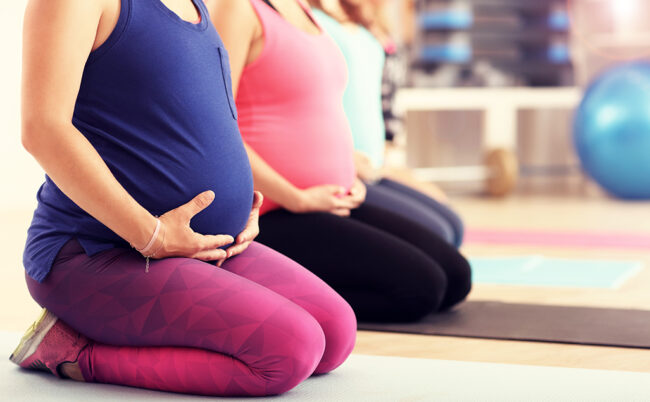

The pelvic floor during pregnancy is put under increasing strain as the weeks go by. Often overlooked before motherhood, this group of muscles located in the pelvic area plays a major role in the overall health of a pregnant woman. Between hormonal changes, carrying the growing baby’s weight, and preparing for labour, it should be given attention from the first trimester. Adopting a suitable routine can help prevent complications such as urinary incontinence and support better postpartum recovery.
In summary: key takeaways
- The role of the pelvic floor during pregnancy: It supports the pelvic organs and becomes more flexible under the influence of hormones to help the baby pass through more easily.
- Preparation and prevention: Regular pelvic floor exercises and self-massage prepare the area for vaginal birth while helping to limit trauma.
- The innovative Emy Trainer support: Using a medical, engaging solution enables targeted training at home so you can keep your pelvic floor strong and help prevent complications.
What is the role of the pelvic floor during pregnancy?
The pelvic floor is a set of muscles and ligaments stretched like a hammock between the pubic bone and the tailbone. During pregnancy, its role becomes even more crucial for the intimate health of the mum-to-be:
- Supporting the organs: It supports the uterus, bladder, and rectum. With the baby’s weight and amniotic fluid, the pressure in the lower abdomen increases significantly over the course of pregnancy.
- Ensuring urinary and anal continence: A toned pelvic floor controls the sphincters and prevents involuntary urine leakage during exertion, sneezing, or laughter.
- Supporting sexual function: Healthy pelvic muscles help maintain comfort and the quality of a woman’s intimate life.
- Supporting posture: Working in synergy with the diaphragm and deep abdominal muscles, it helps keep the back and physical condition supported throughout pregnancy.
How does the pelvic floor change before, during, and after pregnancy?
The pelvic floor does not stay the same throughout a woman’s life. It goes through three main physiological stages around motherhood:
1. Before pregnancy: everyday support
In normal circumstances, the pelvic floor continuously ensures urinary and bowel continence, keeps the uterus, bladder, and rectum in their physiological position, and actively supports comfortable sexual function. A toned pelvic floor before conception is an excellent starting point for better coping with the effects of motherhood.
2. During pregnancy: under pressure from the baby and hormones
From the first trimester and throughout pregnancy, two major factors change the pelvic floor:
- Hormonal changes: The secretion of relaxin and progesterone makes the ligaments and muscles looser and more stretchable to prepare the body for birth.
- Increased mechanical pressure: As the months of pregnancy go by, the uterus grows. By term, the pelvic floor supports the combined load of the baby (around 3 to 4 kg), the placenta (approx. 500 g), and amniotic fluid (approx. 1 kg), adding close to 5 to 6 kg of extra pressure to the lower abdomen.
3. After childbirth (postpartum): the recovery phase
Whether birth happens vaginally or by caesarean section, the pelvic area has been stretched for 9 months. After the baby arrives, the muscles are often weakened or stretched. The postpartum phase requires special attention to retrain contraction reflexes and avoid long-term after-effects.
What pelvic-floor problems can happen during pregnancy?
During pregnancy, hormonal changes (especially relaxin) soften the muscle support system. While this is essential for birth, the tissue can become weaker and lead to various physical symptoms.
Stress urinary incontinence
Repeated intra-abdominal pressure on a relaxed structure is the main cause of involuntary urine leakage. This is one of the first reasons a mum may consult a healthcare professional (such as a midwife or physiotherapist). Nearly 40 to 50% of pregnant women experience leakage during their third trimester.
The risk of heaviness and prolapse
When the muscles no longer provide enough support, gravity increases the likelihood of organ descent. A feeling of discomfort in the vagina may then appear. Without prevention, this can contribute to a more or less pronounced pelvic organ prolapse after birth.
Pelvic pain
An imbalance in the muscles of the lower abdomen and excess pressure can lead to pubic or lower back pain, disrupting daily routine and overall posture.
What are the benefits of a strong pelvic floor?
Keeping muscles that are both toned and elastic offers many benefits:
- Prevent urinary discomfort: Reduce the occurrence of urine leakage during exertion.
- Protect the pelvic organs: Support the lower uterus and bladder against gravity.
- Make baby’s delivery easier: Give you better muscle control during pushing.
- Prepare for a smoother recovery: Optimise postnatal pelvic floor training so you can regain physical fitness quickly and thrive in your new family life.
The benefits of the Emy Trainer solution for your pelvic floor
The Emy Trainer medical device uses biofeedback technology to let you visualise your effort in real time on your smartphone through fun games.

Developed with healthcare professionals, this solution offers targeted, motivating training with clinically proven effectiveness. It helps you restore pelvic tone at your own pace from home, helping to reduce effort-related leakage after childbirth over the long term.
Learn more about the connected Emy Trainer
How can you strengthen your pelvic floor during pregnancy?
You can absolutely follow a gentle, adapted training routine to strengthen the muscles without risking your baby’s development.
What exercises can you do for the pelvic floor?
Kegel exercises are the recommended reference method during pregnancy:
- Sit on a chair or lie on your back with your knees bent.
- Imagine you need to contract the muscle as if holding in urine (without holding your breath or tightening your glutes).
- Hold the contraction for about 5 seconds.
- Take time to fully relax the area for 10 seconds.
- Repeat the sequence 10 times per session.
Practical breathing tip
Never hold your breath while doing the exercise. Remember to exhale as you contract your pelvic floor, drawing the muscles up towards the inside of the pelvis, then inhale deeply as you fully release the contraction.
Incorporating these exercises into a regular prenatal yoga routine provides real support. Using an exercise ball helps relieve the area and perform pelvic tilts safely.
Understand everything about the pelvic floor with Emy
"Emy - Pelvic Floor Exercises" is a free app (available on Google Play and App Store) that lets you do pelvic floor exercises at home. You can train and tone your pelvic floor thanks to several contraction and relaxation exercises that let you train your pelvic floor at your own pace. The app also includes many scientific and educational resources that help you better understand the pelvic floor and incontinence.
Care for your pelvic floor with dietary supplements
A holistic approach combining exercise and nutrition can also help keep your pelvic floor healthy throughout pregnancy. In fact, to complement your pelvic-care routine, you can add an intimate dietary supplement such as the probiotic intimate flora dietary supplement Intime Nutricosmétique.
Developed by the Omum brand, it is a concentrate of active ingredients specially designed to help maintain the balance of the intimate flora to protect the mucous membranes and prevent intimate and urinary discomfort. The intimate supplements are compatible with pregnancy and breastfeeding. We approve the formula: ultra-clean and natural, with no additives and, above all, the dietary supplements are made in France!

🎁 Enjoy 10% off your order with the code FIZIMED10 on omum.fr.
How do you prepare your pelvic floor for childbirth?
If strengthening is essential, learning how to relax the area is just as important for a calm birth.
- Pelvic floor self-massage: Do this every day for 3 to 5 minutes from week 34 of pregnancy, using a natural plant-based body oil. This gentle stretch helps soften the area and reduces the risk of tearing and an episiotomy during vaginal birth.
- Breathing work: Combining pelvic floor relaxation with a deep exhale helps support pushing on the day of labour.
- Body awareness: Knowing how to locate and tell the difference between the sensations of contraction and full relaxation is key to making childbirth and your baby’s passage easier.
How can you avoid postpartum pelvic floor complications?
Become aware of your pelvic floor before birth
You can prepare your pelvic floor for childbirth by attending birth preparation classes and by learning how to relax your pelvic floor and massage it.
Do pelvic floor training sessions
After birth, the body begins its recovery phase. The pelvic floor rehabilitation prescribed at your postnatal check-up is an essential step before considering returning to sport. Biofeedback- or electrostimulation-based methods can be used in clinic by your physiotherapist to reactivate muscle control.
Learn more about pelvic floor rehabilitation methods
Limit everyday pressure
To protect your pelvic floor, it is important to reduce as much as possible unnecessary pressure such as:
- avoiding heavy lifting;
- adapting your exercise routine;
- quitting or reducing smoking;
- limiting constipation...
FAQ: Your common questions about the pelvic floor and pregnancy
Is it dangerous to do Kegel exercises while pregnant?
No, as long as they’re done gently and without straining. Kegel exercises are recommended throughout pregnancy to help maintain urinary continence and prepare the pelvic area, unless your midwife or doctor has given you a medical contraindication.
When should you start massaging your pelvic floor?
Self-massage is generally started from the 34th or 35th week of amenorrhoea (during the 8th month). It is done for a few minutes a day with a suitable oil to soften the vaginal opening.
Can you strengthen your pelvic floor in the first trimester of pregnancy?
Yes. Becoming aware of your pelvic floor from the first trimester helps you build a daily routine and protect your lower abdomen as your baby’s weight increases.
Is pelvic floor rehabilitation mandatory after a C-section?
Even without a vaginal birth, the pelvic floor is under the continuous pressure of the baby’s weight for 9 months. A check-up with a healthcare professional is therefore recommended.
How can I tell if my pelvic floor is weakened?
Common signs include urine leakage during effort (coughing, sneezing, exercise), a frequent urge to urinate, or a feeling of heaviness in the pelvis.
Conclusion
In short, taking care of your pelvic floor during pregnancy is a key investment in the well-being of pregnant women.
- Muscle preparation: Massaging and softening your pelvic floor before birth makes vaginal delivery easier and helps prevent trauma.
- Leak prevention: Regular Kegel exercises help protect urinary continence and maintain physical fitness.
- Rehabilitation with Emy Trainer: After birth, tailored follow-up and the use of the Emy medical device enable personalised, effective at-home rehabilitation as early as 7 weeks postpartum.
Sources
- Pelvic Floor Muscle Rehabilitation Using Biofeedback, Diane Kaschak Newman, July 2014, Urologic Nursing 34(4):193-202 - link
- Pelvic floor muscle training for prevention and treatment of urinary and fecal incontinence in antenatal and postnatal women, Chantale Dumoulin et al., October 2018, Cochrane Database of Systematic Reviews 10(10):CD007471 - link
- Prospective evaluation of the connected biofeedback EMY Kegel trainer in the management of stress urinary incontinence, Jochum F et al., February 2022, Journal of Gynecology Obstetrics and Human Reproduction 51(2):102280. - link


