





Perineal health represents a crucial element of well-being for women at all stages of their lives. Unfortunately, various factors such as childbirth, aging can weaken the perineum and impact quality of life. Make perineal rehabilitation in prevention can be an effective solution to avoid discomfort.
How do you know if you need perineal rehabilitation?
It is important to pay attention to signs that indicate that the perineum relaxes. Symptoms such as urinary leakage, often associated with an effort such as coughing, laughing or physical activity, are generally a good indicator ofweakening of the pelvic floor.
Dysfunctions of the perineum can also manifest as feeling of heaviness in the lower abdomen or the absence of sensations during intercourse.

These signs of pelvic floor weakness, if they persist, justify the need for perineal rehabilitation.
When to consider perineal rehabilitation?
Your pelvic muscles may be weakened following a childbirth, the recommendation for perineal rehabilitation is often linked to the period postpartum. However, other situations such as aging, hormonal changes or certain physical activities may also require support.
In all cases, whether or not you are affected by one of these situations, the perineal rehabilitation for prevention is always recommended for all women, regardless of their age. To have a functional and healthy perineum, you must keep it tonic and competent throughout his life.
Is it serious not to do perineum rehabilitation?
The absence of perineal rehabilitation can have numerous consequences on pelvic health. A weakened perineum increases the risk of complications such as the appearance of a prolapse, also called organ descent.
Of the recurrent urinary leakage can also alter the quality of daily life and affect self-confidence. Gas leaks or anal may also appear.

There quality of intimate relationships can also be damaged if your perineum is relaxed. Indeed, the latter is involved in the sexual response. When the perineum is weakened, there may be a decrease in natural lubrication of the vagina, less pleasure, less sensations during intercourse…
Ignoring these signals and not strengthening your pelvic floor can have significant impacts on your health in the long term. If you are affected by any of these symptoms, do not hesitate to consult a healthcare professional promptly who can guide you in setting up a perineal rehabilitation treatment adapted.
How to do your own perineal rehabilitation for prevention?
You will have understood, the ideal is to start taking care of your perineum well before symptoms appear. This is where the whole point of doing perineal rehabilitation lies. prevention.

Practice preventive exercises regularly
To maintain a toned perineum, it is advisable to regularly do targeted preventive exercises, such as contractions and relaxations of the perineum. For this to be effective in the long term, the important thing will be to maintain regularity of these exercises.
For example, you can set up a routine, make contractions every time you brush your teeth, as soon as you are at a red light…
And if you are afraid of forgetting to do your contractions regularly, you can also download a application And set exercise reminders when you are most willing to do them.
Use devices for perineal prevention
To stay motivated over time, you can also use accessories for the perineum which can effectively support your preventive approach. There are several types such as Geisha balls, Yoni eggs or vaginal cones. These are devices to be inserted and which will work the pelvic floor but in a manner passive. It is therefore necessary to keep them inserted on fairly long period (>30 minutes) to obtain the expected results.

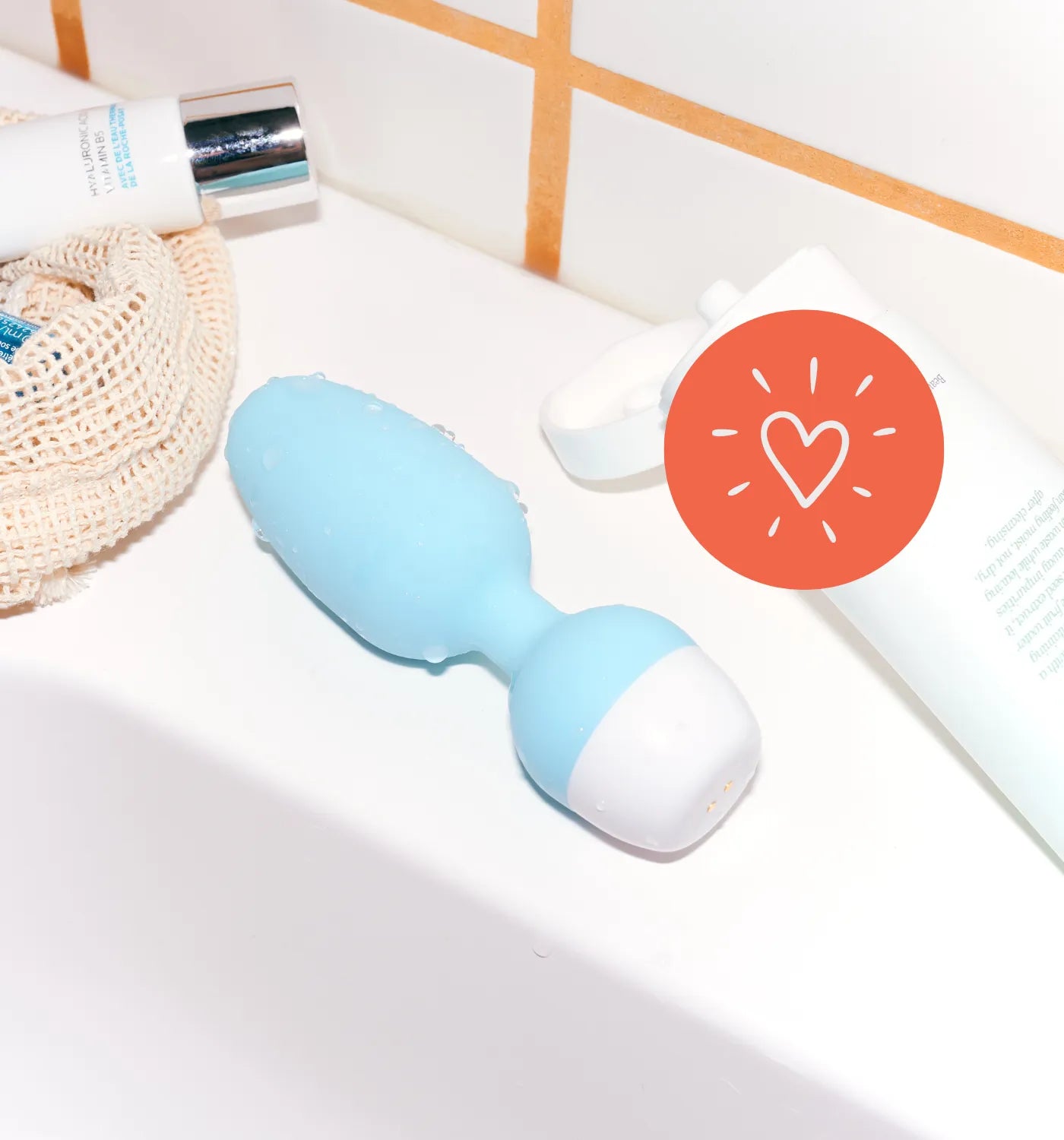
Others devices exist and allow active work of the perineum with faster and above all more lasting results. For example, there are medical devices such as Emy perineal probe which allow visualize your contractions in real time on his smartphone thanks to the technology of biofeedback.
With this tool based on medical strengthening protocols, you can track your progress and tone your perineum sustainably. A few short sessions of 5 minutes per week can already be enough to have a best perineal tone.
Learn more about the Emy probe

Take care of your perineum on a daily basis
If you want to avoid the appearance of problems related to the perineum, you must also pay attention to it. preserve on a daily basis and not to neglect it. Of many gestures that we repeat every day can impact the tone of the pelvic floor.
Here are 12 tips you can use to maintain a healthy good perineal health :
1️⃣ Adopt a good posture, keep your back straight to avoid pressure on the perineum as much as possible
2️⃣ Think carefully distribute the load when you carry heavy loads (cozy, shopping bag, etc.)
3️⃣ Eat foods rich in fiber to avoid constipation and excessive pressure on the perineum
4️⃣ Practice regularly of the perineal rehabilitation exercises
5️⃣ Before each effort (coughing, sneezing, carrying a load, etc.), think about contract your perineum
6️⃣ Choose one physical activity without jumps and jerks
7️⃣ Eat healthily to avoid being overweight and reduce pressure on your perineum
8️⃣ Hydrate yourself regularly throughout the day
9️⃣ Limit your consumption tea, coffee as they can be irritating to the bladder
🔟 Empty your bladder as soon as necessary (4 to 6 times a day) without holding back your urge to urinate for too long
⏸️ Ban tobacco of your life because it can cause a chronic rate that damages the perineum
1️⃣2️⃣ Stop practicing pee stopper repeatedly because it can cause urinary infections
Adopt good reflexes daily is an essential step to preserve the health of your perineum over time. The pelvic floor plays a crucial role in supporting the genitals but he is also involved during the sexual response and in the phenomena of continence.

By paying attention to our perineum, it allows us to strengthen your muscles and of prevent thus many daily inconveniences. Whether it is perineal rehabilitation for prevention problems or after symptoms already present, taking care of your perineum throughout your life is essential !