





Other countries, other practices? That also applies to pregnancy, birth and pelvic floor recovery.
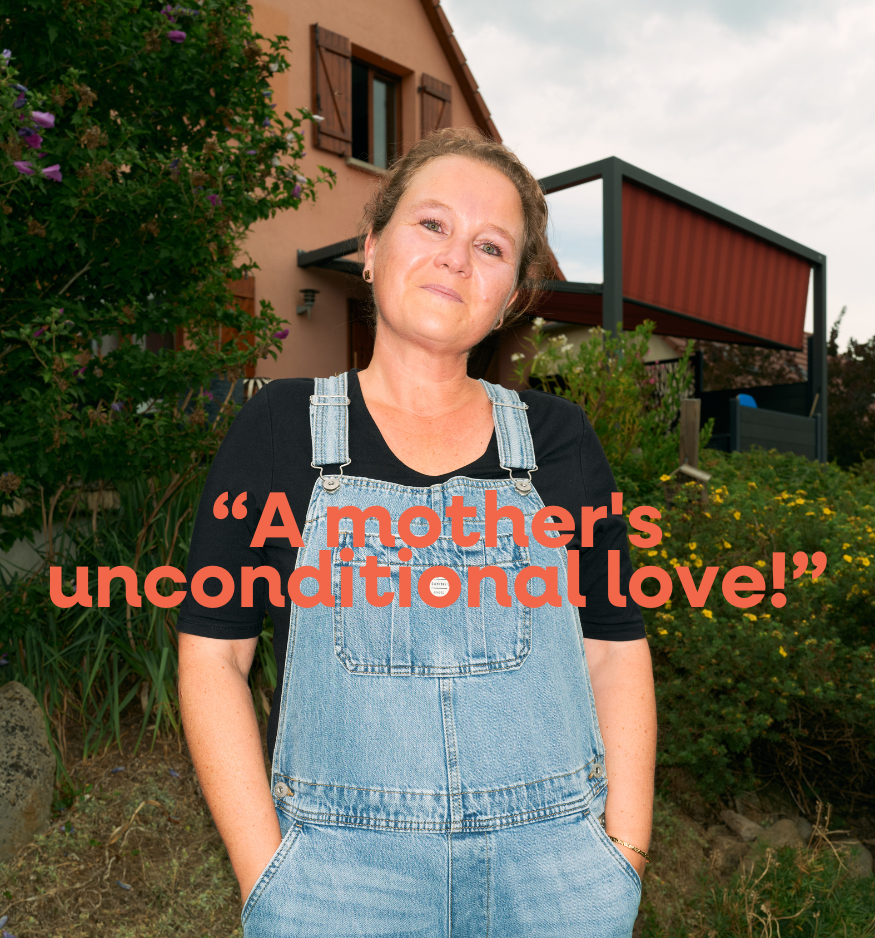
Miriam, known on Instagram as @HowImetmymomlife, is a mum of three. She gave birth to her first two babies in the south of France and her third in Switzerland. For us, she compares her experiences of motherhood and postpartum recovery in France, Switzerland and Germany. She also explains why the French method of pelvic floor recovery particularly won her over.
Can you introduce yourself in a few words?
My name is Miriam (31) and I’m a mum to three girls aged 5, 3 and 5 months. I’m from Germany and moved to the south of France in my early twenties. That’s where my first two daughters were born. Today, we live in Switzerland, where my third daughter was born five months ago during a home birth.
How did you experience pregnancy and birth in France and Switzerland?
My first pregnancy in France wasn’t easy: early contractions, a shortened cervix, lots of uncertainty. The birth, however, was very “French”, with an epidural.
For my second birth, everything happened so quickly that I only spent 12 minutes in the delivery room: there was no time for an epidural. That’s when I realised how instinctively my body could handle birth. It was a very powerful experience, and it probably set the stage for my third birth.
During my first pregnancy, I exchanged a lot of messages on Instagram and in a WhatsApp group with other pregnant women from Germany, Austria and Switzerland. That’s how I understood that pregnancy and birth are experienced very differently from one country to another.
In France, it’s often not made quite as much of an “event” as it is in Germany.
In Switzerland, I couldn’t generalise: I managed my third pregnancy very independently, with few medical appointments, and I was lucky enough to be cared for by a gynaecologist who had given birth at home herself and let me experience motherhood freely.
When it comes to birth, I noticed a real contrast:
-
In France, an epidural is offered very quickly, sometimes even before contractions become intense.
-
In Switzerland and Germany, it’s used too, but I get the impression that women are more encouraged to try giving birth without anaesthesia if they want to.
How does medical care during pregnancy work in both countries?
I’d say the quality of medical care is excellent in both France and Switzerland.
But one important difference stood out for me: in my region of southern France, I didn’t have prenatal care provided by an independent midwife. There simply weren’t any. Midwives were only employed by the hospital, where you could attend information sessions or childbirth preparation classes, but without building a personal connection.
In Switzerland and Germany, women generally have access to independent midwives for prenatal check-ups, which makes for a closer relationship and ongoing support. Some even work as “lead midwives” and support women on the day of birth.
How does postpartum recovery work in France and Switzerland?
That’s where the differences are most striking.
In Switzerland / Germany:
Women often take part in a group recovery class, where a few exercises are practised. However, it often feels more like “doing sport” than in-depth work on the pelvic floor. Many women are left without clear explanations of how to contract correctly.
In France:
There are no group classes.
Each woman gets 10 sessions with a physiotherapist, one-to-one.
During my sessions, we did:
-
breathing exercises coordinated with the pelvic floor,
-
a few movements for diastasis recti,
-
and, above all, 20 minutes of training with a connected vaginal trainer.
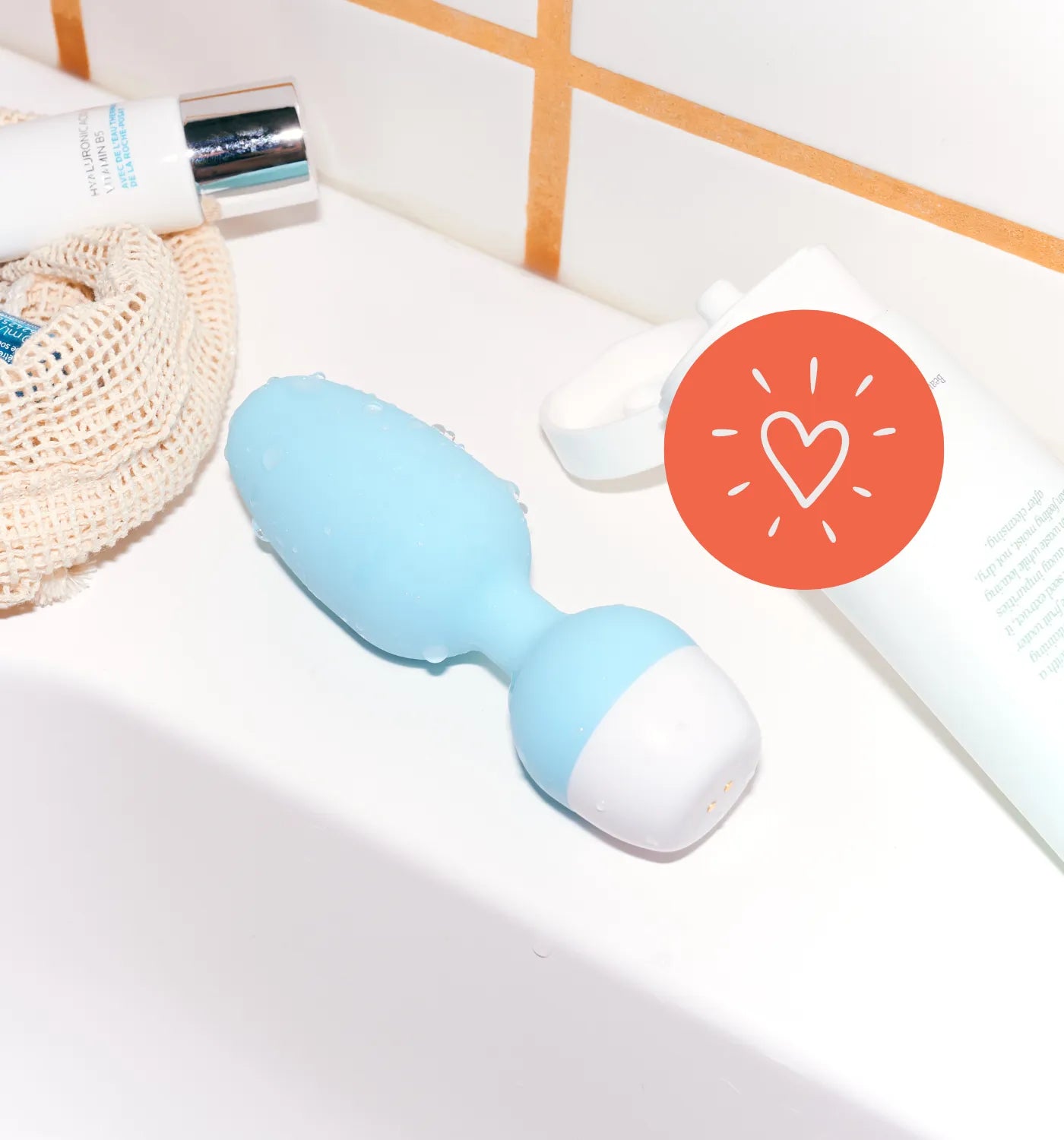
The trainer was connected to a computer, and I could “play” adaptive mini-games by contracting my pelvic floor — exactly what the Emy Trainer biofeedback rehabilitation device offers today.
When I told my German friends about it, they were surprised… even jealous!
Some of them had finished their recovery without really knowing how to activate their pelvic floor.
Why did you choose biofeedback for your recovery in Switzerland?
Because I’m convinced it’s the most effective method for strengthening your pelvic floor in the long term.
Ideally, you combine training sessions with a physiotherapist (especially for breathing) with daily work using a connected trainer.
To me, it’s the perfect tool to complement traditional recovery and make progress over the long term.
Why did you choose Emy?
I had already used another device, but it was very limited: few games, low precision, and it quickly wore out.
While looking for a better alternative, I discovered Emy Trainer, and I was won over straight away.
How do you find training with Emy?
I love it!
The variety of games makes recovery motivating and never boring.
On my blog, I also wrote a full review of Emy and described my recovery sessions in France in more detail.


