







Childbirth is a powerful, defining event, but it is also extremely demanding on the female body, especially the pelvic floor. As the baby passes through, the muscles and ligaments stretch considerably, which can sometimes lead to a damaged pelvic floor after childbirth. Whether it involves excessive muscle stretching, a perineal tear or an episiotomy, these injuries often cause functional discomfort and scar-related pain. To approach this postnatal recovery period with confidence, you can read our advice on pelvic floor training.
- Understand the mechanisms behind a stretched, torn or scarred pelvic floor and the associated postpartum symptoms.
- Adopt the right hygiene habits and everyday pressure-relief positions to ease pain and support healing.
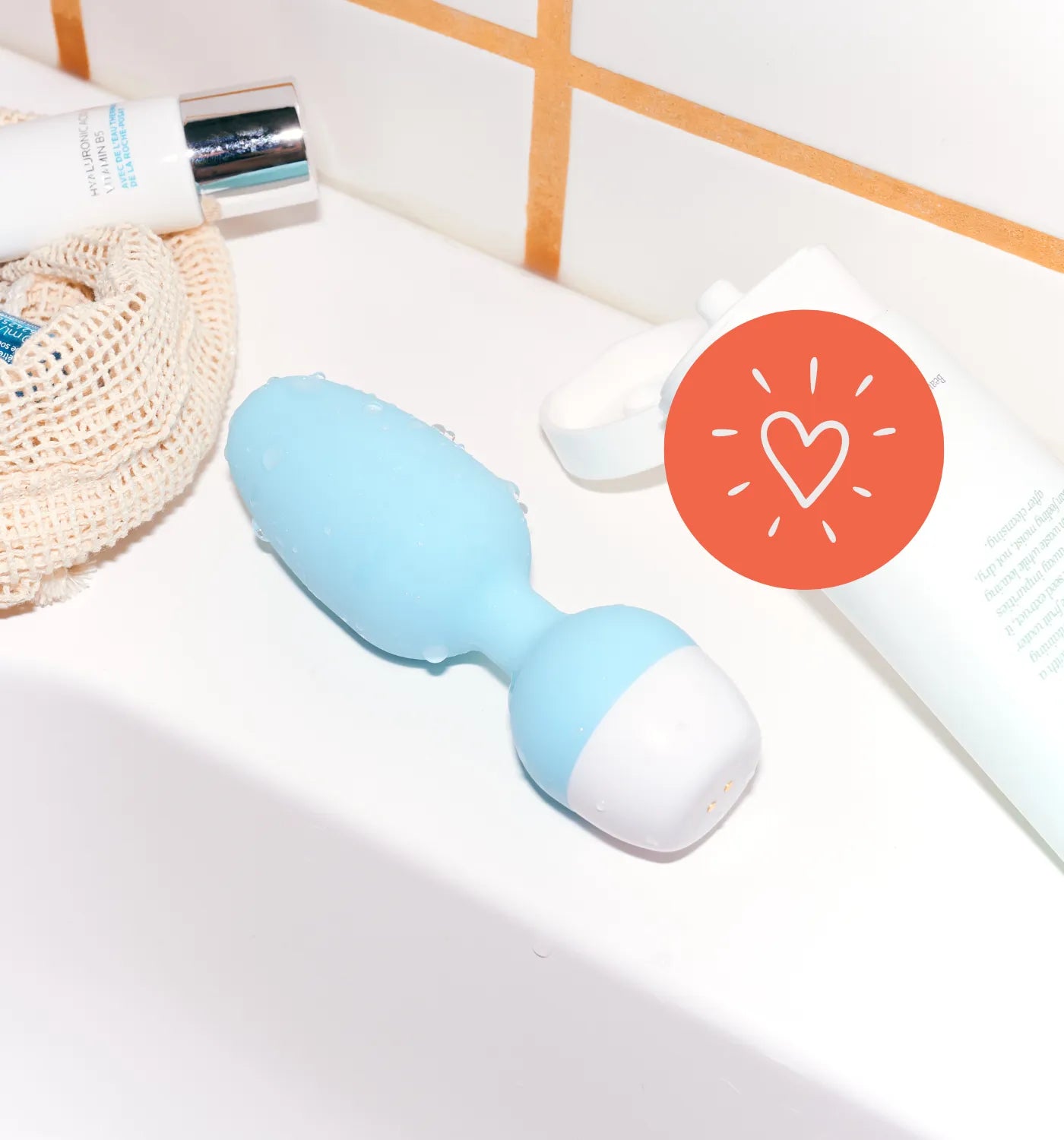
- Discover effective recovery solutions, including the smart pelvic floor trainer with biofeedback Emy Trainer, to help you regain optimal muscle tone.
Why does the pelvic floor become stretched or damaged during birth?
The pelvic floor is a complex set of muscles, fascia and ligaments forming a varied support structure that extends from the pubis to the coccyx. During pregnancy and childbirth, the pelvic floor is exposed to unprecedented mechanical pressure: under the weight of the baby and the effect of relaxing hormones such as relaxin, it becomes greatly stretched.
During the pushing stage, this muscle group can sustain different types of trauma. It may be torn spontaneously if the tissues are not sufficiently elastic, or surgically cut (episiotomy) by the doctor or midwife to widen the vaginal opening and protect the baby’s health.
In some cases, the loss of tone is so marked that the pelvic floor contracts less effectively. These anatomical and functional changes can lead to several bothersome issues:
- Vaginal or vulvar gaping with an overall reduction in intimate sensation.
- Urine leakage or difficulty holding in gas and stool (anal incontinence).
- A feeling of pelvic heaviness or organ descent (genital prolapse).
- Persistent pain during sex (dyspareunia).
What happens in the first few days after childbirth?
In the first days after birth, your pelvic floor may be especially sore, oedematous and swollen. It is common to find it difficult to voluntarily contract the area or even to temporarily lose control of urine, stool or gas. In the vast majority of cases, this state of muscle weakness and nerve numbness is purely temporary.
Perineal tears and episiotomies usually cause pulling sensations, sharp pain and tingling when you urinate. These uncomfortable sensations gradually decrease from day 3 onwards. The skin of the perineum heals in about 6 to 10 days, while the stitches dissolve on their own around day 10.
How can you relieve pain and care for a scarred pelvic floor?
Looking after a scarred pelvic floor calls for gentleness, thorough hygiene and close attention to your everyday body positions.
1. Adapted intimate hygiene to support healing
Always keep your pelvic floor clean and dry to avoid infection of the scar. It is strongly recommended that you avoid washing the vulva with soap. You can use a chamomile-based solution: let it gently flow over the pelvic floor, from the lower abdomen towards the coccyx (front to back). Chamomile helps soothe pain, gently disinfects and speeds up the healing process.
When drying, never rub: gently pat the area dry with toilet paper or a clean dry wipe. Also change your sanitary products very regularly to keep the area dry.
2. Treat oedema and soothe pain
To ease inflammation, take the pain relief medication prescribed by your healthcare professional that is suitable for your condition and breastfeeding. If you have significant oedema or swelling, apply an ice pack wrapped in a clean cloth for 15 minutes, 2 to 4 times a day. The cold has an immediate numbing and decongesting effect.
3. The right pressure-relief positions to ease discomfort
To avoid putting pressure on the vulvar and perineal area, choose lying on your side or on your back, with your legs slightly raised to support venous return. Feel free to use a nursing pillow or bolster to adopt one of these comfortable positions:
- Frog position: Lie flat on your back and place the folded cushion under your legs/knees to fully relax the pelvis.
- Side-lying position: Lie on your side, place the cushion between your knees and bend the upper leg, resting it on the cushion.
- Raised on your back: Fold the cushion in half under your calves while slightly raising the head of the bed.
Tip for sitting: Roll up two towels or two clean cloths and place them side by side on your chair or bed. Sit on the cloths so that your pelvic floor remains free and is not exposed to direct contact or friction.
When and how should you start recovery for a damaged pelvic floor?
Around 6 to 8 weeks after childbirth, during your postnatal check-up, your doctor or midwife will assess the tone of your pelvic floor and how supple your scar is. This is the ideal time to start pelvic floor recovery sessions with a specialist (midwife or physiotherapist).
Once the tissues have healed, a gentle scar massage with a suitable plant-based oil can help soften adhesions. After that, active strengthening of the pelvic floor muscles becomes essential to correct low tone, stop urine leakage and restore sensation to stretched tissues. To learn more about the overall approach, discover our article on pelvic floor recovery.
The benefits of Emy Trainer for retraining your pelvic floor at home
Keeping up regular pelvic floor training after your in-clinic sessions is the key to stabilising your results over the long term. The medical device Emy Trainer supports you in this home-based strengthening process thanks to the innovative biofeedback technology.

Thanks to its 360° high-precision sensors, the Emy trainer measures the contraction strength of your pelvic floor muscles and sends it instantly to your smartphone screen in the form of engaging medical video-game-style exercises. You can see your progress straight away and learn to control your contractions and relaxations in real time.
The benefits of this kind of training are clinically proven: 98% of Emy users report a significant improvement in their quality of life after 3 months of regular use. The first benefits for reducing urine leakage and improving intimate tone usually appear within 3 weeks, with 10 to 15-minute sessions, 3 times a week, according to user feedback.
Frequently Asked Questions (FAQ)
How can you tell if your episiotomy or tear scar is infected?
A healthy scar becomes less swollen and less painful day by day. If you notice bright redness, increasing swelling, pus or a foul-smelling discharge, or if you have a fever, consult your doctor or midwife promptly.
Can you use the Emy Trainer trainer with a scarred pelvic floor?
Yes, as long as the scar is fully closed and not painful to the touch (usually 6 to 8 weeks postpartum, after confirmation at the postnatal assessment). The trainer then helps you gradually tone the muscle support structure without irritating the tissues.
How long does it take to fully recover from a traumatised pelvic floor?
Superficial skin healing takes about 10 days, but recovery of muscle strength and tissue flexibility usually takes 3 to 6 months, depending on how severe the initial injuries were.
Conclusion
- A damaged or stretched pelvic floor after childbirth is common and usually improves very well with the right care.
- Gentle chamomile hygiene, cold therapy and pressure-relief positions are your best allies for easing pain and supporting healing.
- Regular home training with connected biofeedback and Emy Trainer helps restore pelvic floor tone and prevent leakage or prolapse in the long term.
Sources:
- Pelvic floor muscle training for urinary incontinence postpartum, Bethany Hall, Sue Woodward, June 2015, British Journal of Nursing 24(11):576-579. - link
- Postpartum recovery, National Agency for Accreditation and Health Evaluation (ANAES / HAS), December 2002, Clinical practice guidelines (ANAES) - link
- Taking care of your pelvic floor after childbirth, Geneva University Hospitals (HUG), November 2018, patient information leaflet (HUG) - link


