



Have you heard of estrogens? Wondering what these hormones are for, what are the symptoms if you have too little or too much estrogen? What treatments are available? Then you are in the right place, we’ll explain everything to you!
What are estrogens?
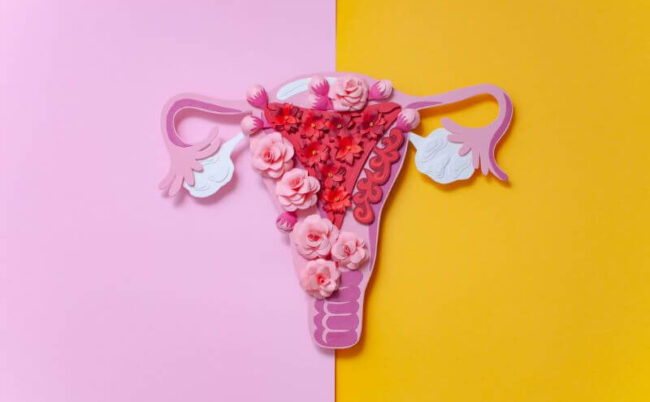
Estrogens are female hormones naturally secreted by the body, especially by the ovaries and during pregnancy, by the placenta. The role of estrogens is to ensure the formation, maintenance, and functioning of female genital organs as well as the mammary gland.
Estrogens have a general action on the body and are particularly important for fertility when a woman is of childbearing age. During the menstrual cycle, estrogen hormones enable ovulation to occur.
What is the difference between estrogen and progesterone?
In women, estrogens and progesterone are two hormones that regulate the menstrual cycle. Their concentration varies throughout the cycle but they act complementarily with each other.

Role of Estrogens
During ovulation, the ovaries secrete estrogens that lead to the release of the ovums or oocytes located in the ovaries. This increase in estrogens also causes thickening of the uterine wall to allow for implantation if the ovocyte is fertilized.
Role of Progesterone
Progesterone is predominantly secreted during the second half of the menstrual cycle. In the event of no fertilization, the follicle that contained the oocyte degenerates. ”
It is this structure that is responsible for the secretion of progesterone. This hormone acts on the endometrium (the lining of the uterus). And when the yellow body disappears at the end of each menstrual cycle, menstruation occurs.
Effects of Estrogens on the Body
In addition to effects during the menstrual cycle, estrogens have other effects on women’s bodies. At each stage of life, from pregnancy to menopause, estrogen levels vary and are responsible for various symptoms.
To adapt, our body is capable of regulating and producing a lot or a little estrogen, resulting in different physical or psychological effects.
what are the symptoms of too much estrogen?
During pregnancy, estrogen levels can increase up to 100 times compared to the initial threshold. This helps to stimulate the production of new cells and increase ligament laxity (especially to allow the pelvis to widen and let the baby pass through).

Outside of pregnancy, other symptoms may also be due to an excess of estrogen such as:
- Feeling tired all the time or having headaches
- Weight gain because estrogenes can slow down the metabolism
- Pain in the breast, muscles or joints
If yo u have these symptoms, do not hesitate to consult your gynecologist or midwife who can help with the diagnosis.
What are the symptoms of estrogen deficiency?
There are two periods when women are particularly at risk of suffering from a lack of estrogen: postpartum and the onset of menopause.
The postpartum period
Hormone levels are very high in pregnant women. But after childbirth, hormone production decreases, especially estrogen which drops drastically (but only temporarily).
Estrogens play a positive role and are involved in processes that regulate behavior and mood. Symptoms of estrogen decline are therefore not necessarily only physical, they can also be psychological.

Contraty to too much estrogen, an estrogen deficiency can cause various symptoms:
- Permanant fatigue
- Mood swings
- Loneliness
- Sadness, crying which could aggrevate to clinical deppression
In the postnatal period, women are therefore more at risk of developing postpartum depression. These psychological symptoms affect 15 to 20% of women and can last for more than 6 months.
You may have also heard of the phenomenon of “baby blues“, which generally appears between 3 to 6 days after childbirth. In contrast to postpartum depression, baby blues is a transitory state that only lasts a few days. It is estimated that it affects nearly 80% of women.
Menopause and estrogen decline
From perimenopause, the period preceding menopause, the production of hormones fluctuates greatly. The amount of estrogen then becomes increasingly lower over time as the ovaries stop producing it. At the onset of menopause, usually around 50 years old, this is reflected in various bodily changes:
- Hot flashes
- Insomnia
- Uro-geniral difficulties like urinary incontinence, difficulty with intimate relations
This hormonal decrease is also responsible for the reduction of the pH of the intimate area. It leads to a change in the intestinal microbiome. This modification increases the risk of intimate discomfort such as vaginal dryness or alteration of the vaginal flora for example.
Estrogens and pelvic floor
Estrogens play a crucial role in the health of the perineum. These female hormones help maintain elasticity, vascularization, and hydration of the pelvic tissues. The pelvic floor also plays an essential role in:
- Supporting the genital organ
- Preventing incontinence
- pleasure sensations during intercourse

When estrogen levels decrease, as during menopause, it can lead to an alteration of the quality of perineal tissues and promote weakening of muscles and ligaments. Thus, symptoms such as vaginal dryness and urinary incontinence may appear.
Sessions of pelvic floor training can be beneficial to prevent or treat the onset of urinary disorders. A toned pelvic floor also allows for better natural lubrication and thus avoids vaginal dryness.
What is vaginal dryness?
Vaginal dryness results from a lack of lubrication of the vagina which normally keeps the sex moist. Without this lubrication, a feeling of dry vagina sets in. This can lead to a thinning of the vaginal wall and reduce elasticity of the vaginal tissue.
In addition to hormonal changes and decreased estrogen, vaginal dryness can also be caused by other factors such as antidepressants, excessive vaginal cleaning, diabetes, or even lack of arousal during intimate relationships…
Vaginal dryness: symptoms
Here are the commonly encountered symptoms experienced by women suffering from vaginal dryness:
- Redness on the external part of the vagina
- Itching or burning sensations
- Irritations
- Pain during urination
- Vaginitis (inflammation of the vagina)
- Painful sexual intercourse
- Bleeding or discomfort after sexual intercourse
While one in 2 women is affected by this dryness after the age of 50 (compared to one in 6 before that age), only half of women seek treatment!
What treatment for vaginal dryness?
To address this issue and help women suffering from vaginal dryness, the MiYé brand has developed an innovation in collaboration with experts and women that acts on 3 levels: vaginal dryness, pH balance, and natural lubrication revival.

MiYé has created a hypoallergenic intimate gel with a physiological pH that allows:
- to hydrate with hyaluronic acid
- to soothe with aloe vera
- to strengthen thanks to the action of prebiotics and postbiotics
- to stimulate the intimate area with blue lily of the valley extract