





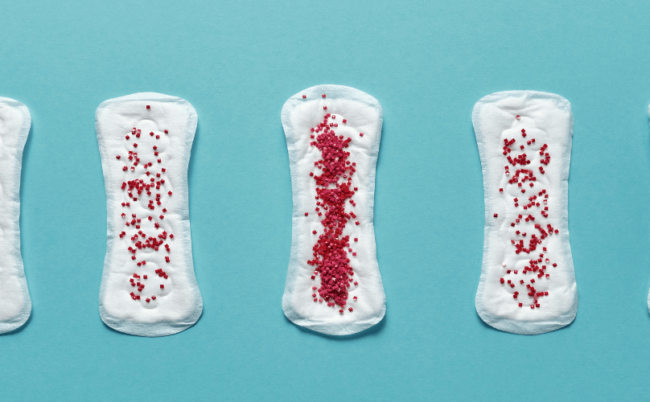

We receive more and more questions dedicated to the link between rules and urinary leakage. Indeed, it seems that some women notice that they have greater urinary leakage as their period approaches or even during it. So yes, there is a link but this link once again underlines the importance of pelvic floor muscles !
Urinary leakage and menstrual cycle
During your menstrual cycle, your hormones vary and affect your pelvic floor. Your hormones will thus be able to have an impact on its tone and elasticity. This is why you can observe urinary leakage on exertion more important during your period.
So now that you know why you have more leaks during your period, it seems important to us to tell you about two women who noticed that they had perineal problems during menstruation period.
Johanna and Sandrine are not the same age, not the same number of children, but they both decided to re-educate their perineum to no longer have to suffer the effects of an insufficiently toned perineum.
Because it’s very good to have been able to identify the moments during which your perineum is less toned, but above all you have to learn to build muscle! And good news, there are solutions!
Johanna: no longer able to hold a tampon
Johanna discovered at age 25, after the birth of her first child, that she was no longer able to hold a tampon. So she had to re-educate your perineum ! After several attempts, she finally found the solution that suited her. In 3 weeks, his problem was solved!
Sandrine: leaks while running during her period
Sandrine can be described as a warrior! This multi-marathoner did not escape until the day she got tired of having to run with hygienic protection. So she went through the box perineal rehabilitation to be able to run in complete peace of mind!
Regardless, may your leaks be heavy or not during menstruation, it is necessary to think about re-educating your perineum.
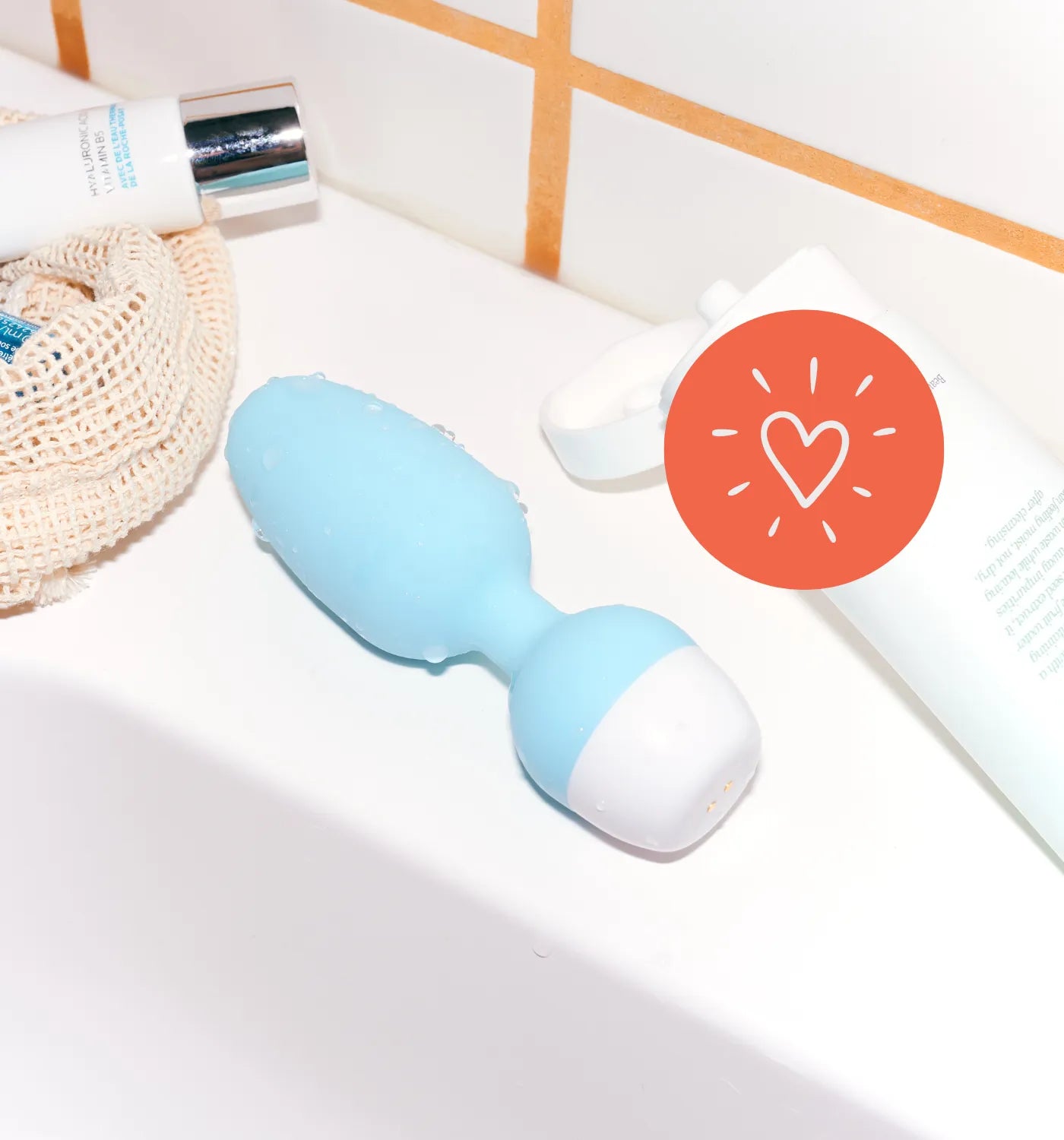
For this, several solutions exist: a few sessions with a health professional followed by a home rehabilitation with or without perineal probe. But also, if you already know well contract your perineum, using an application will allow you to help you strengthen your perineum!


