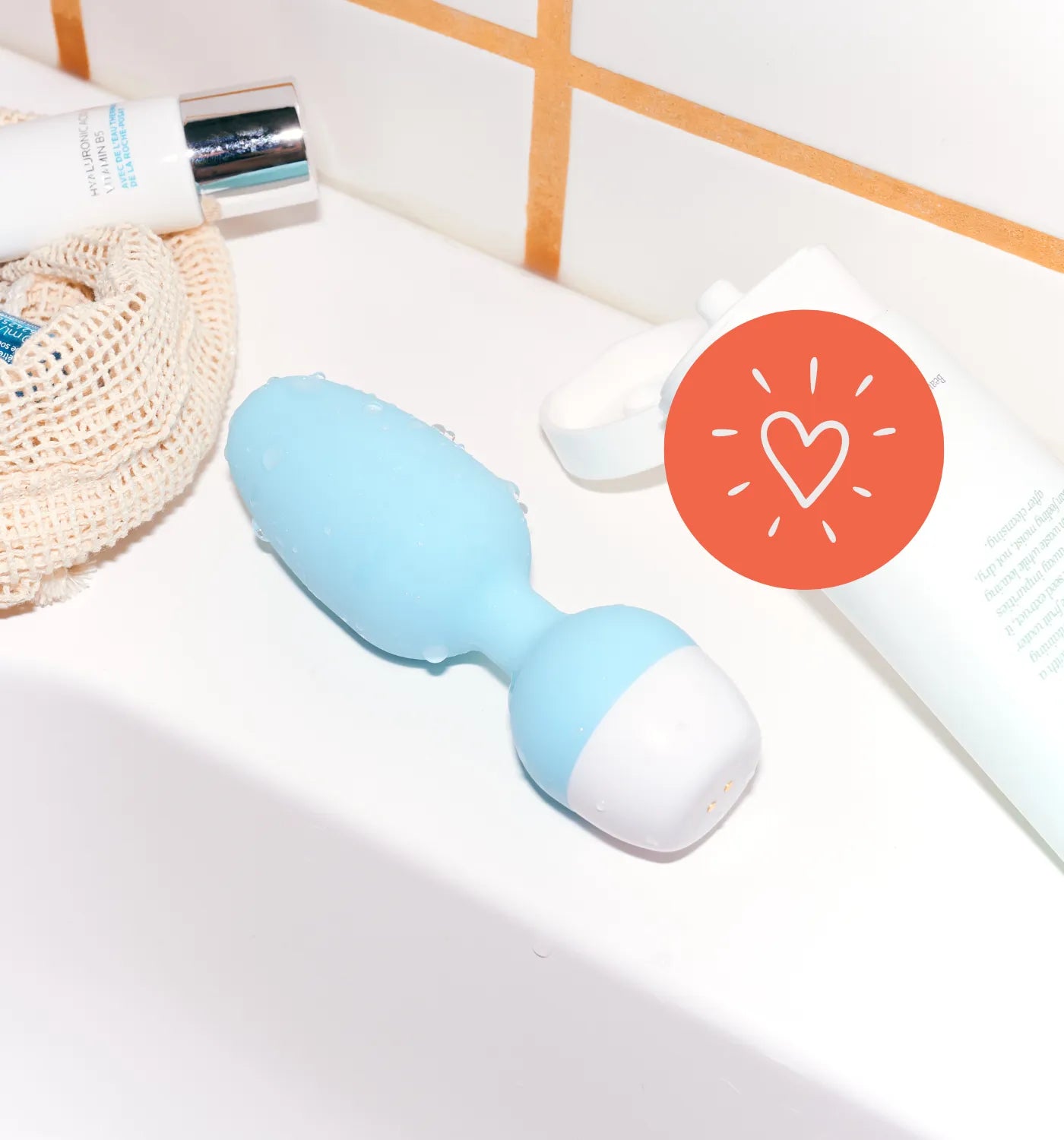






Are you looking for a device to do your pelvic floor training? Here’s everything you need to know to choose the right device, plus tips to help you get results fast.
Here are today’s 3 key takeaways:
- Understand why it matters: Discover why the pelvic floor weakens and why a support device can help you strengthen it.
- Compare the solutions: Explore the different types of devices available (biofeedback, electrical stimulation, Geisha balls).
- Get equipped and train: Set up an effective, motivating home routine, especially with the Emy Trainer pelvic floor trainer.
Why consider a pelvic floor device?
The pelvic floor, also called the pelvic floor, is a discreet but essential muscle structure. It supports the pelvic organs, helps with continence, and contributes to pelvic stability.

After pregnancy, with age, or simply because of everyday life, it can weaken. This may lead to urine leakage, a feeling of weakness, or discomfort during sex.
A device to strengthen this area can then become a real ally. It helps you locate the muscles more easily, train more precisely, and regain a sense of strength and control.
What types of devices can you use?
There are several options, with different ways of working. Some devices, such as pelvic floor trainers, are inserted into the vagina. They measure the intensity of contractions or provide gentle stimulation.
Pelvic floor biofeedback devices
Trainers using biofeedback act like sensors. They show you in real time on a screen whether you’re contracting your muscles correctly.

Learn more about my pelvic floor
This helps you correct your movements as you go. Biofeedback trainers help you actively strengthen your pelvic floor by doing voluntary contractions.
Pelvic floor electrical stimulation devices
The models to electrostimulation sends gentle electrical signals to activate the muscles without any voluntary effort.

This can be helpful when the pelvic floor is very tired or difficult to engage. In that case, we talk about passive rehabilitation.
Other devices for pelvic floor training
Finally, simpler solutions such as Geisha balls or vaginal cones work with gravity: you need to activate the muscles to keep them in place. They are discreet and practical for regular use.

An accessible and motivating solution: the Emy trainer
Among today’s solutions, the Emy Trainer smart pelvic floor trainer offers a different approach. It combines technology with ease of use.

Once inserted, it connects to a phone app. Through mini-games (guiding a hot-air balloon, virtual fishing, etc.), you learn how to contract your pelvic floor without getting bored.
The exercises are varied: quick, sustained or repeated contractions, for overall strengthening. The device is designed and made in Europe.
Emy Trainer is also rechargeable and designed for long-term use. The aim is for this device to help you train your pelvic floor at home for many years to come.

Results are quick to appear: within three weeks, most users notice an improvement. A clinical study even reported a 96% satisfaction rate!
In addition to showing your progress, the app gives you access to useful content (yoga, gentle exercise, medical advice…). A perfect routine to build with Emy for a healthy pelvic floor!
Learn more about my pelvic floor
How often should you train?
Starting gently is often the best strategy. Two to three training sessions a week, lasting around ten minutes, may be enough at the beginning. The idea is to build a habit, not a burden.
After a few weeks, you can adjust it to suit your needs. Some people choose to increase the frequency when they feel more comfortable. Generally, the first effects appear after one month. For a solid results, count on two to three months of consistency.

Are there any precautions to take?
These pelvic floor trainer devices are designed for personal use. However, you should still follow a few basic rules: careful cleaning after each use, water-based lubricant if needed, and above all, never force anything. If discomfort persists, it’s better to stop and speak to a healthcare professional.
What about after childbirth?
Yes, these devices can help with postpartum pelvic floor recovery. But you should wait at least six weeks after birth, to give the tissues time to heal. A midwife can check whether everything is ready before you start.
Many women use a device like this as a complement to the training sessions prescribed after birth. It helps extend the work started in clinic, at home.

Do you need to see a professional first?
This isn’t mandatory, but it’s often a good idea, especially if you’re not sure you know how to contract your pelvic muscles properly.
A professional can help you choose the right type of device, check that your pelvic floor can be trained safely, and guide you through a good start.

Training your pelvic floor at home is a simple, useful and reassuring approach. The important thing is to listen to your body, not rush the steps, and adapt the pace to what feels right for you.
With the right tools, and sometimes a little tech boost, you can rebuild confidence, tone and comfort every day!
What you need to know to strengthen your pelvic floor:
- Consistency is key: Short but frequent training sessions (2 to 3 times a week) lead to better long-term results.
- Choosing the right tool matters: Active biofeedback is extremely motivating for understanding your body and visualising your efforts.
- Technology in the service of comfort: Training your pelvic floor at home is a simple, reassuring approach thanks to durable devices like the Emy Trainer pelvic floor trainer.
Sources:
- Prospective evaluation of the connected biofeedback EMY Kegel trainer in the management of stress urinary incontinence, Jochum F et al., February 2022, Journal of Gynecology Obstetrics and Human Reproduction 51(2):102280. - link
- Pelvic Floor Muscle Rehabilitation Using Biofeedback, Diane Kaschak Newman, July 2014, Urologic Nursing 34(4):193-202. - link
- Postpartum pelvic floor recovery, Haute Autorité de Santé (HAS), December 2002, Clinical Practice Recommendations. - link