


Coming soon

FAQ – Pelvic floor and Urinary Incontinence

Are bladder leaks normal?

They are common: according to Cardozo et al. (ICS, 2023), 1 in 3 women suffer from urinary incontinence. Pregnancy, childbirth, menopause, intense sport or repeated heavy lifting can weaken the pelvic floor. Common does not mean you have to put up with it: help is available and it is worth talking to a health professional.

What are the different types of urinary incontinence?

The main types are stress incontinence (when coughing, laughing, sneezing, running or carrying a heavy load), urge incontinence (a sudden, strong need to urinate that is difficult to control, often associated with an overactive bladder), and mixed incontinence, which combines both. Identifying the type of incontinence helps the healthcare professional determine the right treatment.

What should I do about bladder leaks, and who should I see?

Start by talking to your GP. They can look into the cause and refer you to a specialist pelvic health physiotherapist on the NHS, where supervised pelvic floor muscle training is the recommended first step for stress leaks [À VÉRIFIER] possibilité d'auto-orientation selon les régions. Regular pelvic floor exercises at home can complement this support. See a doctor promptly if you notice blood in your urine, a burning sensation or a fever.

Does biofeedback help with urinary incontinence?

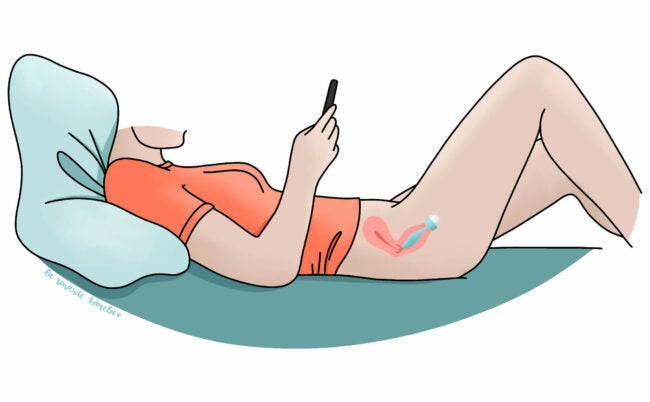
In a clinical study conducted at the Strasbourg University Hospital among patients with stress urinary incontinence, 98% of participants reported an improvement in their quality of life after 3 months of using the Emy Trainer biofeedback device (Jochum et al., 2021). In case of urinary leaks, always consult a healthcare professional first.

Share