






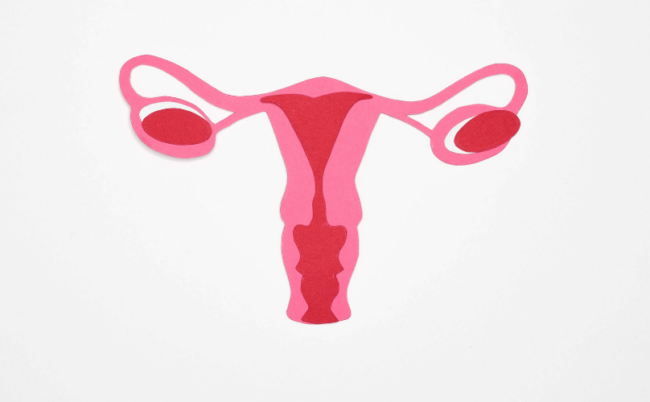

Everything you need to know about female prolapse
Dr Marine Lallemant meets patients suffering from genital prolapse or organ prolapse every day. This condition is much more common than people think. It has a major impact on quality of life and can affect women at any age. In this article, she explains this condition in detail, from the presence of early signs to diagnosis and treatment for female genital prolapse.
By exploring the key stages of this condition, you will:
- Identify the mechanism and recognise the warning signs: understand pelvic floor weakening and learn to listen to your body's signals.
- Assess the risk factors: identify the everyday pressures that weaken the pelvic floor and contribute to the development of a prolapse.
- Discover pelvic floor recovery solutions: explore care options, from working with a professional to doing exercises at home with the Emy Trainer pelvic floor trainer Emy Trainer, to build lasting pelvic support.
What is female genital prolapse?
A prolapse is the result of a loosening of part of, or several, organs in the lower abdomen. This condition, commonly called organ prolapse, refers to a situation where organs are no longer properly supported.
When a woman has genital prolapse, an organ in the pelvis (bladder, uterus, rectum) then slides downward. In other words, into the vagina.
In the most severe cases of organ prolapse, it can even protrude beyond the vulva. This is the fourth and final stage of prolapse.
It is also possible for several organs to descend at the same time. However, note that it is difficult to assess how common this condition is. According to studies, it affects between 4% and 97% of women. The figures vary depending on how the information is collected (questionnaire or clinical examination).
The different types of prolapse in patients
There are several forms of pelvic organ prolapse. The classification depends on which organ descends. These include:
- Cystocele : For bladder prolapse. The patient may then experience urinary leakage, difficulty urinating, and frequent urinary tract infections.
- Urethrocele : For a prolapse of the urethra. This is the stage that comes before cystocele, when only the urine outlet canal descends into the vagina.
- Hysterocele : Used to describe uterine prolapse. The descent of the uterus and the cervix into the vagina often results from obstetric trauma or ligament weakness.
- Rectocele : For the descent of the rectum (rectal prolapse) Rectal incontinence or gas incontinence may occur because the organ presses on the posterior wall toward the anus.
- Enterocele : If the prolapse affects the intestine . This descent from the upper part of the vagina can potentially cause chronic constipation.
How does an organ prolapse occur?
To better understand this process in the pelvis, let’s take a look at the anatomy. A triple system keeps the pelvic organs inside the body:
- The pelvic floor muscles (or pelvic floor). Shaped like a hammock, this support system runs from the pubis to the coccyx. The organs of the pelvis (bladder, uterus, rectum) rest on this group of muscles.
- The ligaments. They act as a suspension and anchoring system for the pelvic organs on the bones of the pelvis.
- The fascia, which play a role in holding the pelvic organs together.
As a result, the integrity of this entire system is essential to ensure proper balance. It must be flexible enough to adapt to pregnancy and childbirth. But also strong enough to withstand abdominal pressure or even increased abdominal pressure (sports, pushing)
However, it can happen that the pelvic floor muscles or the ligaments loosen. This loosening then leads to an organ prolapse, with the organs pressing on the vaginal wall and deforming it. In some cases, the prolapse can even extend outside the vagina.
What causes a prolapse?
First, be aware that the factors that contribute to organ prolapse can be modifiable or permanent
Generally In general, the triggering and/or aggravating factors are numerous:
- Pregnancies, especially when they are multiple and/or repeated.
- The deliveries by natural birth that are repeated and/or difficult.
- Childbirth with a long labour.
- Difficult childbirth with a severe tear in the pelvic floor.
- Median episiotomy.
- High birth weight.
- Menopause, which leads to loosening of the muscles and ligaments.
- An surgical operation on a pelvic organ.
- Repeated abdominal pressure: overweight, lifting heavy loads, intense sports activities, constipation, chronic coughing, or a sedentary lifestyle.
- A disease causing collagen deficiency, a protein essential for tissue cohesion, support, and strength. For example, vascular Ehlers-Danlos syndrome.
- Neurological disorders of the pelvic floor (spina bifida, cauda equina syndrome, etc.)
Finally, a woman can develop a prolapse at any time in her life. However, the prevalence increases with age, especially after 50. In fact, the risk of surgery for a prolapse after age 70 is 11%.
The symptoms of female prolapse
Now, let’s look at the symptoms of organ prolapse. The most common are the sensation of a vaginal bulge and the sensation of heaviness.
Along with the feeling of pelvic heaviness and the sensation of a bulge at the entrance to the vagina, an affected person may also experience:
-
Urinary symptoms: urinary incontinence (urine leakage), urinary frequency (frequent urination), as well as urinary urgency and bladder emptying problems. In this case, they have difficulty urinating and/or fully emptying their bladder.
-
Ano-rectal disorders: constipation, difficulty emptying the rectum, or anal incontinence (leakage of gas or stool)
-
Sexual problems: bleeding, pain, urine leakage, vaginal gas during sex, or loss of sensation.
Some patients even use manual manoeuvres to urinate or have a bowel movement, or even to push the organ prolapse back into the vagina.
Prolapse and sexuality: can you continue having sex?
Having a prolapse doesn’t prevent sexual intercourse, but discomfort (awkwardness, pain, leaks) can occur. The solution? Pelvic floor strengthening through targeted exercises, which helps improve the quality of the tissues and boost self-confidence. The use of suitable lubricants is also strongly recommended.
What to avoid when you have a prolapse
Certain behaviours can make the situation worse:
-
Lifting heavy loads: Always engage a protective contraction before exertion.
-
High-impact sports: Impact forces weaken the tissues.
-
Pushing during bowel movements: Use a footstool to raise your legs and faci.
-
Holding your breath: Breath-holding increases pressure in the area of the abdomen.
I have an organ prolapse: what should I do?
To find out whether you actually have an organ prolapse, you need to have a clinical examination. A simple physical exam may be enough.
But in general, the healthcare professional will also carry out additional tests, such as a pelvic ultrasound or a urodynamic assessment. This depends in particular on the type of prolapse and how advanced it is.
First, the responsible or aggravating factors need to be identified. Then, conservative treatments are considered to relieve the patient without resorting to surgery.
Once the problem has been identified, several solutions (before any surgical procedure) are available to treat you:
-
Lifestyle habits: weight loss, a more balanced diet and suitable physical activity (gentle exercise, swimming...)
- Fitting a pessary: This is a silicone or latex device inserted into the vagina. This medical device (ring or cube) keeps the organs in place. It can be combined with hormone therapy.
Prolapse and pelvic floor rehabilitation
In addition, healthcare professionals often recommend pelvic floor rehabilitation. The aims are to prevent or slow the worsening of the prolapse. At the same time, strengthening the pelvic floor helps prevent the risk of incontinence.
In addition, pelvic floor rehabilitation is very useful after prolapse surgery. As much for promote pelvic floor recovery as well as prevent recurrence.
In practical terms, this is a multifactorial, holistic rehabilitation programme based on pelvic floor contractions and relaxations. It improves the tone of the pelvic floor, the abdomen and the thoracic diaphragm, and more generally lumbopelvic stability.
Learn more about my pelvic floor
Alongside sessions with a midwife or physiotherapist, pelvic floor training also includes self-training at home.
In this context, you can use a connected biofeedback device, such as the Emy pelvic floor trainer. It helps you improve your exercises and progress in the right way.
Surgical treatment for genital prolapse
Finally, conservative treatments may not be effective. Either on its own or as a complement, you may then need to consider a surgical procedure to put the organs back in place.
The surgical treatment depends on the type of prolapse. It can be performed vaginally or through the abdomen (often by laparoscopy). The operation consists of tightening the tissues. Good post-operative follow-up is then essential.
Indeed, surgery is the last resort when organ prolapse reaches an advanced stage and causes disabling symptoms. In particularly complex cases, a multidisciplinary pelvic health team will discuss together to decide on the details of the procedure. Then, the choice of technique depends on various criteria: symptoms, type of prolapse, comorbidities, the patient’s expectations…
Of course, surgery will always be combined with management of modifiable risk factors.
FAQ: Everything you need to know about the pelvic floor training trainer
How exactly does a pelvic floor trainer work?
Its mechanism depends directly from the chosen technology. Electrical stimulation delivers a gentle, painless current to create reflex contractions, offering ideal passive work to “wake up” a very weakened muscle.
By contrast, biofeedback emits no current: the trainer acts as an ultra-sensitive pressure sensor. It measures the intensity of your voluntary contractions and displays your efforts in real time on your smartphone screen.
How do you insert and position your device correctly?
Insertion should always feel comfortable and completely painless. Lie on your back with your knees bent, and breathe calmly to relax your pelvic area. Always apply a small amount of water-based intimate lubricant gel to the tip of the trainer. Then gently insert the device into the vagina, making sure to leave the base (or retaining collar) just outside.
How do you train effectively to strengthen your pelvic floor?
With a connected device, all you need to do is launch your mobile app and let the programs guide you. You’ll do sets of voluntary contractions (Kegel exercises) whose level adapts to your progress.
If you’re anxious about the first training session, know that most apps include a very clear video tutorial to support you step by step.
Can the recovery app be used without the trainer?
Absolutely. The Emy app, for example, is free to download and works very well on its own to schedule your reminders and guide you through classic Kegel exercises.
However, to ensure your movements are accurate and optimise your strengthening, using it together with the Emy Trainer pelvic floor trainer is still strongly recommended thanks to its instant visual feedback.
How often should you train, and when will the first results appear?
The key to successful pelvic floor training is consistency. Short 5- to 10-minute sessions, repeated 3 to 5 times a week, are ideal.
The medical data are also very encouraging: a recent clinical trial on connected at-home biofeedback training showed that a significant improvement in tone and a reduction in urinary leakage can appear in just 3 weeks.
These scientifically proven results, combined with a 96% patient satisfaction rate, precisely reflect the effectiveness of the protocols built into the Emy Trainer device.
What you need to remember for your pelvic health
Taking action on pelvic organ prolapse is essential. Never hesitate to contact or consult a professional at the first signs. Information, early diagnosis, a healthy lifestyle, and training are your best assets for preserving your intimate comfort.
- Pelvic organ prolapse is not inevitable: called prolapse, this condition is a weakening of the supporting tissues. By acting early on your habits (stopping strong abdominal pressure), you can stabilise the situation.
- See a healthcare professional: a healthcare professional is essential to make an accurate diagnosis and choose the treatment suited to your stage.
- Strengthen your pelvic floor precisely: active rehabilitation is key. Using a biofeedback pelvic floor trainer like Emy trainer helps you train effectively at home to support your organs long-lastingly.
Sources :
- Female genital prolapse: solutions for treatment, Haute Autorité de Santé (HAS), May 2022, user guide.- link
- Prospective evaluation of the connected biofeedback EMY Kegel trainer in the management of stress urinary incontinence, Jochum F et al., February 2022, Journal of Gynecology Obstetrics and Human Reproduction 51(2):102280.- link


