





“Stop-pee”, or the voluntary interruption of the urinary stream, is an often misunderstood practice. Many people wrongly think that it is a good way to strengthen your perineum. However, health professionals are unanimous and strongly recommend against this method. We explain why!
A harmful practice for urinary health
Interrupt your urine flow regularly disrupts natural functioning of the bladder. Result ? The bladder is not not completely drained and this consequently increases the risks urinary infections.

Urination (action of urinating) complete and uninterrupted is essential for keeping your urinary system healthy.
It allows to effectively evacuate bacteria but also to maintain the proper functioning of the bladder and sphincters.

The pee stopper is ineffective for strengthening the perineum
Contrary to popular belief, the pee stopper is therefore not not an effective method For strengthen the pelvic floor muscles.
In fact, this practice uses the muscles of inappropriate manner and can even, in the long term, create harmful muscle tension.
What are effective alternatives to pee-stoppers?
To strengthen effectively and sustainably your perineum, you can opt for Kegel exercises regular.
These targeted contractions, carried out outside of urination times, will also be good more beneficial for your perineum and above all, without danger!

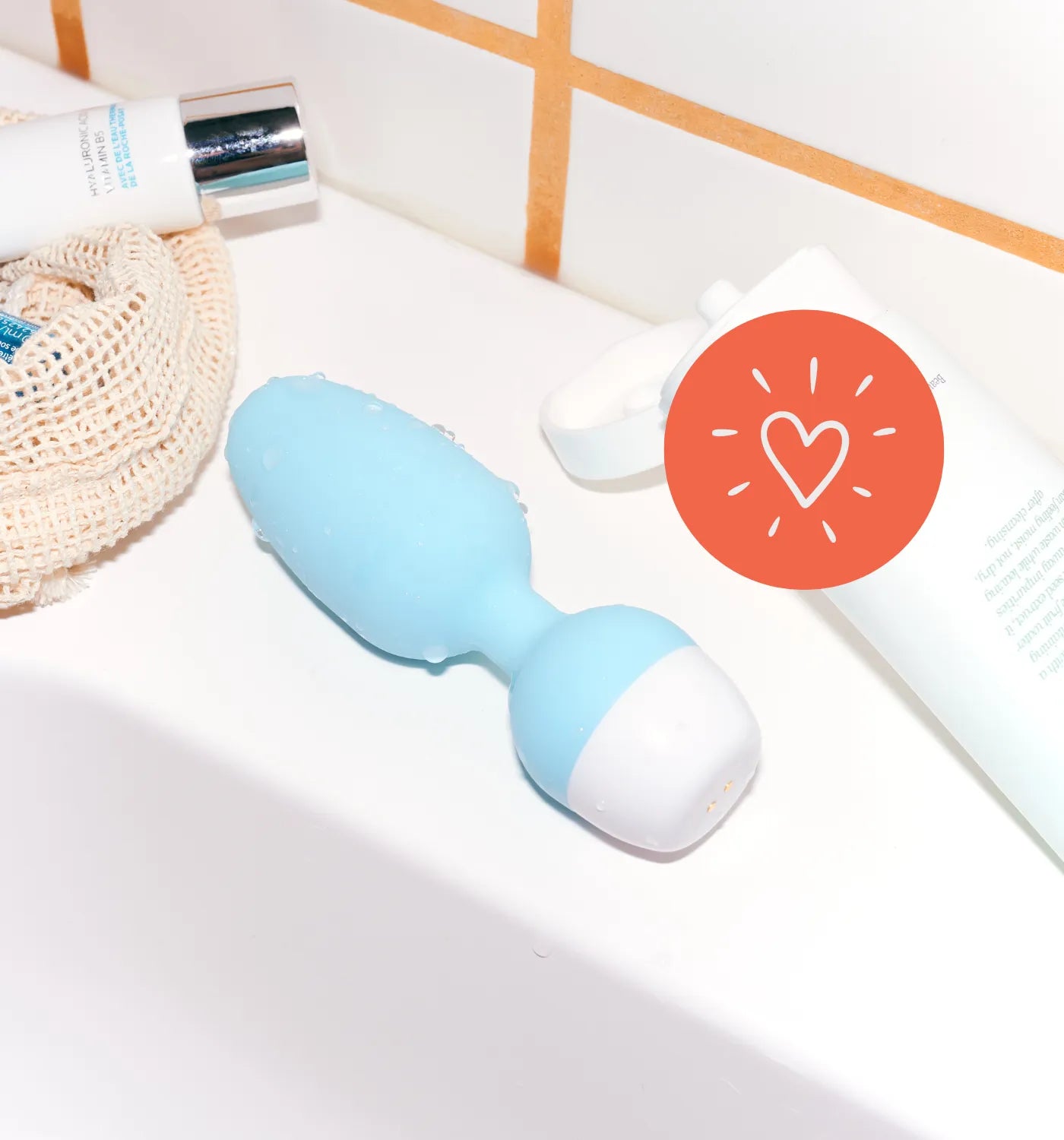
There are also many devices usable at home and specially designed for perineal rehabilitation like the Emy Trainer probe, recommended by many health professionals.
Strengthen your perineum with Emy Trainer
This innovative medical device helps to effectively strengthen and tone the pelvic muscles thanks to the biofeedback technology. It allows you to view your live perineal contractions, on the screen of your smartphone and follow your progress.

Learn more about the Emy probe
Train regularly and protect your perineum now!
You will have understood, for take proper care of your perineum, focus on appropriate exercises and a healthy lifestyle.
Many external factors also play a role in one's health, such as poor posture or lifting heavy loads.
And that’s without mentioning pregnancies, childbirth or menopause which also have a major impact the elasticity of the tissues of the perineum and weaken it.
So many good reasons to start perineal rehabilitation for prevention right now!