




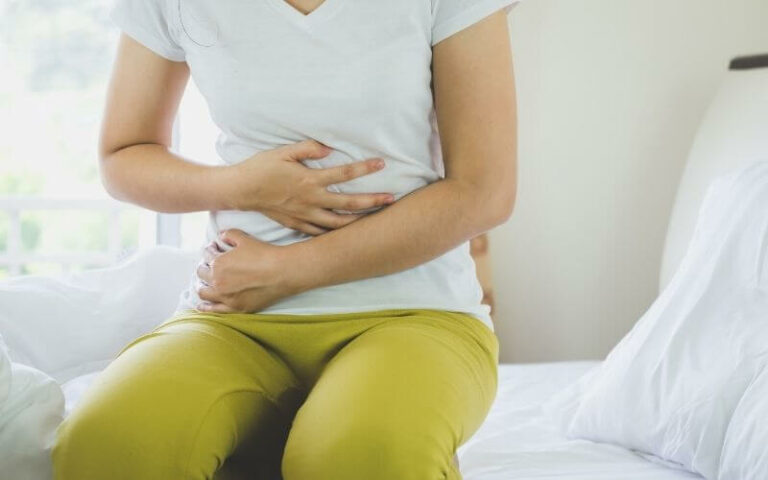

Lower abdominal pain in menopausal women (at any age) is a common discomfort and often a cause for concern. After menopause, the female body goes through profound hormonal changes and muscular shifts that can explain the onset of pelvic or abdominal pain. While some sensations are harmless and temporary, others should raise a red flag. Understanding the possible causes, recognising warning signs and choosing the right solutions can help protect your intimate health and quality of life after menopause.
Let's take a look today at:
- The role of hormones: A drop in oestrogen weakens tissues, sometimes causing pulling sensations or pressure similar to period pain.
- The impact on the pelvic floor: Weakening of the pelvic floor can lead to a feeling of heaviness, often linked to the early stages of prolapse or urinary leakage.
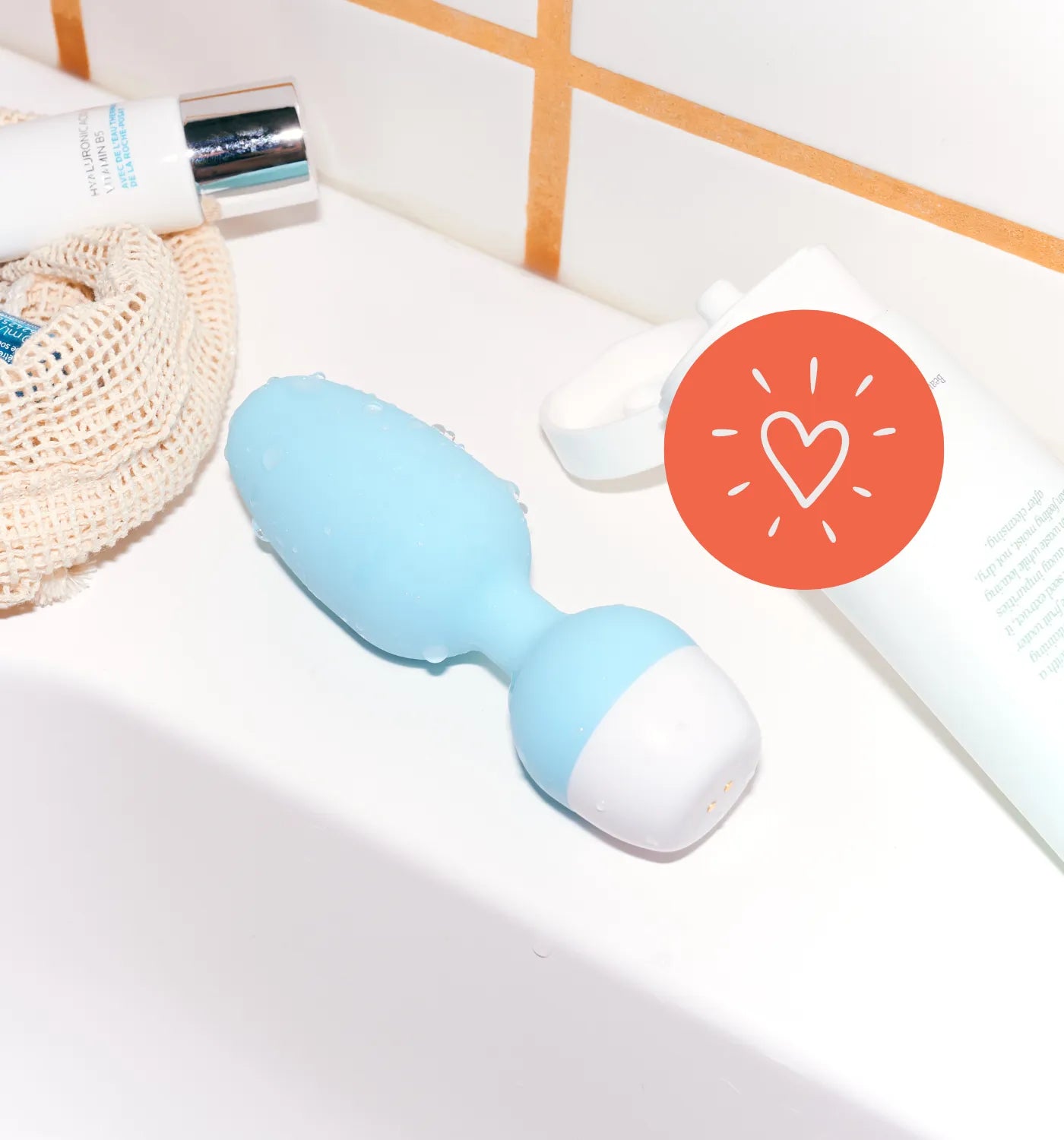
- A at-home tech solution: With the Emy trainer, you can effectively train your pelvic floor at home. This medical device uses biofeedback to help you reconnect with your muscles and strengthen your pelvic support for the long term.
Why do you get lower abdominal pain after menopause?
Menopause marks the permanent end of periods and a significant drop in oestrogen. These hormonal changes have a global impact on the body. They affect muscle tone, tissue elasticity, intimate hydration and the functioning of the pelvic organs.
As a result: pain or pressure sensations can appear in the lower abdomen, sometimes accompanied by other urinary, digestive or gynaecological symptoms.
What causes lower abdominal pain in menopausal women?
Hormonal changes linked to menopause (at any age)
The drop in oestrogen weakens tissues and can cause diffuse pain: pulling sensations, cramps, pinching sensations or pelvic discomfort. This pain can begin during perimenopause and continue after periods stop. It is sometimes similar to menstrual cramps, even in the absence of a menstrual cycle.
Learn more about hormonal changes.
Pelvic floor laxity and loss of muscle tone
With menopause, the pelvic floor muscles naturally lose tone. Yet the pelvic floor plays a key role in supporting the pelvic organs (bladder, uterus, rectum). When it weakens, it can lead to a feeling of heaviness or pressure in the lower abdomen, discomfort, and sometimes pain that builds up as you go through the day’s activities.
This laxity is often associated with urinary leaks, discomfort during effort or when walking, and day-to-day discomfort. Pelvic floor training exercises are often the first option to consider to tone the pelvic floor and ease feelings of heaviness.
Learn more about muscle tissue laxity.
Intimate dryness and pelvic discomfort
A drop in oestrogen leads to reduced natural lubrication and hydration of the mucous membranes. This intimate dryness can affect the vagina and vulva, causing irritation, inflammation and pelvic pain, including outside sexual activity. It also increases the risk of urinary tract infections, which are often responsible for lower abdominal pain.
Urinary symptoms and pelvic pain
After menopause, the bladder sometimes becomes more sensitive and less toned. This can lead to frequent urges to urinate, burning sensations, or lower pelvic pain. Urinary tract infections are also more common at this stage of life and should be treated quickly with appropriate treatment.
Learn more about pelvic pain.
Digestive symptoms after menopause
Bloating, gas, slower digestion or intestinal cramps can also explain pain in the lower abdomen. Hormonal changes affect bowel transit and digestive sensitivity. These symptoms are generally mild and temporary, but can increase abdominal discomfort.
Less common causes not to overlook
In some cases, lower abdominal pain in menopausal women may be linked to more serious conditions:
- Ovarian cysts, sometimes responsible for pulling sensations or sharp pain.
- Prolapse (organ descent), caused by a weakening of the pelvic floor, which can lead to a feeling of heaviness, or even pelvic pain or a sensation of pressure or heaviness – sometimes painful in the lower abdomen.
- Less commonly, some gynaecological conditions require prompt medical attention.

I take care of my pelvic floor
There are different causes of lower abdominal pain in women aged 50, 60 or 70. So, speak to a doctor to identify them more accurately and put the right solutions in place.
Pelvic pain during menopause: when should you seek medical advice?
It’s recommended that you speak to a healthcare professional if you experience symptoms such as:
- severe pain that is persistent or getting worse
- an unusual feeling of heaviness or pressure in the vagina or lower abdomen
- urinary leaks associated with pain
- bleeding after menopause
- pain during sex
A medical diagnosis helps identify the exact cause and put appropriate care in place. Find all our advice in our "Better living through menopause" section
How can you relieve lower abdominal pain after menopause?
Recommended natural solutions
In many cases, simple measures can effectively relieve pelvic pain:
- do regular physical activity (gentle exercise or walking) adapted to help maintain muscle tone and build a consistent exercise routine
- maintain a stable weight to help reduce pressure on the abdominal and pelvic area
- make sure you stay well hydrated and, if needed, use intimate moisturising products
- adopt a balanced diet to help limit digestive issues
Strengthening your pelvic floor after menopause
Pelvic floor strengthening is a key way to reduce pain pelvic pain, help prevent urinary leaks and reduce the risk of organ prolapse.
Pelvic floor training, carried out with a healthcare professional or at home using a pelvic floor trainer like Emy Trainer, can effectively retone this key area, at any age.
This medical device helps you become more aware of your pelvic floor and train effectively for long-lasting results. After a clinical examination carried out with a healthcare professional, you can include it in your daily routine.

Possible medical treatments
When the pain is more pronounced or persistent, medical treatment may be considered:
- hormone replacement therapy, prescribed by a doctor in some cases (hot flashes)
- specialist care if urinary or pelvic disorders are significant
- surgery, reserved for more severe situations such as advanced prolapse
Anticipating and preventing pelvic pain at menopause
Adopting healthy lifestyle habits from your 40s onwards helps limit the impact of menopause on your pelvic floor and lower abdomen.
Regular physical activity, pelvic floor strengthening and paying attention to your intimate health are essential keys to getting through menopause more comfortably. The crucial role of the healthcare professional in helping reduce the impact of menopause symptoms.
What you need to remember for your health:
- Listen to your body: A feeling of heaviness is not "normal" with age; it is often a sign that you need muscle strengthening.
- Biofeedback as an ally : The Emy Trainer pelvic floor trainer helps you become aware of your pelvic floor again and tone it effectively, even years after menopause.
- Prevention starts early: Maintaining your muscle strength from your 40s onwards helps you go through menopause with far less pelvic discomfort.
FAQ – Abdominal Pain and Menopause
Why does menopause cause diffuse lower abdominal pain in a postmenopausal woman?
During menopause, a woman’s body goes through a major hormonal shift, marked by a significant drop in oestrogen. These hormones play an essential role in pelvic tissue tone, muscle flexibility, and blood flow in the abdominal and pelvic area.
When oestrogen levels fall, support structures such as the uterus, the pelvic floor and the deep muscles of the pelvis become more sensitive. This can lead to diffuse pain in the lower abdomen, felt as discomfort, pressure or abdominal tightness.
👉 This pain is not automatically a sign of something serious, but often reflects the body’s adjustment to this new hormonal stage.
What is the real cause of pulling sensations or pelvic cramping after menopause?
Pulling sensations, cramping or pelvic tightness are mainly linked to changes in hormone-dependent tissues. The drop in oestrogen leads to a loss of elasticity in the muscles, ligaments and vaginal lining.
The pelvic floor may also lose tone, changing the balance of the pelvic organs and causing unusual sensations in the lower abdomen, sometimes made worse by a lack of suitable physical activity or prolonged postures.
Why do some women feel pain in the ovary area after menopause?
After menopause, the ovaries stop their hormonal activity but remain in the body. Ovarian pain may be linked to ligament tension, local inflammation or increased sensitivity in the surrounding tissues.
In some women, a history of gynaecological conditions such as endometriosis, past cysts or inflammation may explain why pain continues after periods stop.
👉 Any persistent or unusual ovarian pain should prompt you to see a doctor to rule out a gynaecological cause that needs a medical diagnosis.
Why does a feeling of bloating or abdominal tightness occur at this stage of life?
A bloated stomach during menopause is a common symptom. It results from slower bowel transit, changes in fat distribution, hormonal shifts and increased digestive sensitivity.
The drop in oestrogen directly affects the digestive system, which can cause bloating, gas and a feeling of abdominal swelling, especially towards the end of the day.
Stress, a sedentary lifestyle and certain eating habits can make this abdominal tightness worse.
Can stress, fatigue or a period of high tension make abdominal pain worse?
Yes. Chronic stress and physical or emotional fatigue directly affect the systems digestive and muscular. At menopause, the body is more sensitive to hormonal changes, and stress can make lower abdominal pain worse.
Stress affects breathing, posture, and the involuntary contraction of the deep muscles of the pelvis and abdomen, leading to cramps, pelvic pain, or a feeling of a knot in the stomach.
Which gentle exercises can help reduce pelvic discomfort?
Gentle exercises are particularly recommended to relieve abdominal pain at menopause.
Abdominal breathing, gentle yoga, stretching, walking, and targeted pelvic floor exercises help release tension and improve blood circulation.
Regular physical activity, adapted to the pace of the menopausal woman, helps reduce pain and feelings of pelvic heaviness.
What diet should you choose to limit intestinal bloating and improve digestive health?
An adapted diet plays a key role in reducing bloating at menopause. It is recommended to choose:
- gentle fibre foods (cooked vegetables, fruit, whole grains);
- enough hydration to support healthy transit;
- regular meals, eaten slowly and chewed well.
Limiting ultra-processed foods that are too fatty or too sugary also helps reduce digestive discomfort and the feeling of a bloated stomach.
Sources :
- Prospective evaluation of the connected biofeedback EMY Kegel trainer in the management of stress urinary incontinence, Jochum F et al., February 2022, Journal of Gynecology Obstetrics and Human Reproduction 51(2):102280 - link
- Menopause: symptoms and diagnosis, Health Insurance (Ameli), September 2023, information sheet - link


