




Constipation is a very common disorder that affects a lot of women in France. Temporary or chronic, it can give rise to complications and disrupt your intestinal transit but also your pelvic health. We explain why!
What is constipation?
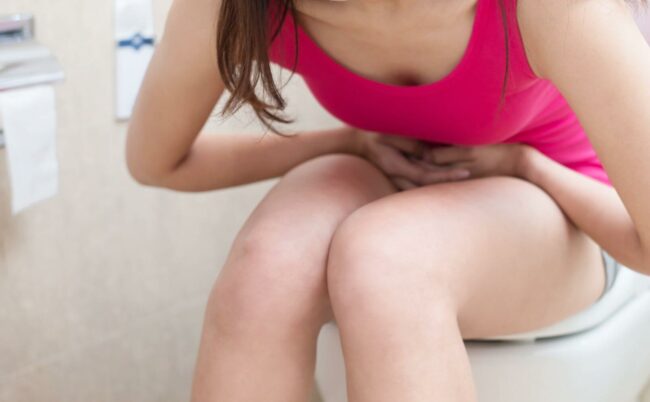
Constipation is a digestive disorder characterized by difficulty passing stools regularly and easily.
We generally speak of constipation when a person has less than three bowel movements per week, or when the stools are hard, dry and difficult to evacuate.

What are the factors that aggravate constipation?
Several factors can worsen constipation or be responsible for its appearance, for example:
- a diet low in fiber;
- insufficient hydration;
- lack of physical activity;
- taking certain medications;
- stress and anxiety;
- changes in routine (a trip, a pregnancy, etc.)
The dangers of constipation for the perineum
On the other hand, constipation plays a major role in weakening of the perineum and can even contribute to the appearance of a prolapse.

What is the link between constipation and perineum?
There are three main reasons for this:
1️⃣ Increased pressure on the perineum: Indeed, chronic constipation leads to prolonged retention of stools in the rectum, which then exerts constant pressure on the perineum.
2️⃣ Excessive efforts: to evacuate hard stools, we tend to push excessively, which also significantly increases intra-abdominal pressure downwards and on the pelvic floor.
3️⃣ Muscle weakening: over time, this repeated pressure can weaken the muscles of the perineum, essential for organ support. When they are too relaxed, urinary incontinence or in the most serious cases, a organ descent can then occur.
Consequences of constipation on the perineum
On the other hand, a weakened perineum by chronic constipation can lead to several complications as :
- decreased support of the pelvic organs;
- problems with urinary or fecal incontinence;
- an increased risk of prolapse;
- a hemorrhoidal crisis ;
- pelvic pain...
It is therefore crucial to effectively manage constipation to preserve the health of your perineum And reduce the risk of prolapse.
Prevention: how to avoid constipation?
For prevent constipation and protect your perineum, here are some recommendations to apply on a daily basis:
- Eat a diet rich in fiber (with fruits, vegetables and legumes) 🍎
- Hydrate yourself sufficiently (by drinking at least 1.5L of water per day) 💦
- Practice regular physical activity (prefer walking, stairs, etc.) 🏃♀️
- Practice good posture when using the toilet (using a step stool to relax your muscles) 🚽
- Don't hold back the urge to have a bowel movement 💩
- Regularly practice pelvic flexibility exercises (such as hip rotations) to have better mobility and facilitate transit. ✔️

Re-educate your perineum throughout your life
There perineal rehabilitation is essential, not only after childbirth, but throughout life. There are also many tools and devices who can help in this process.
Actively tone your perineum with the Emy probe
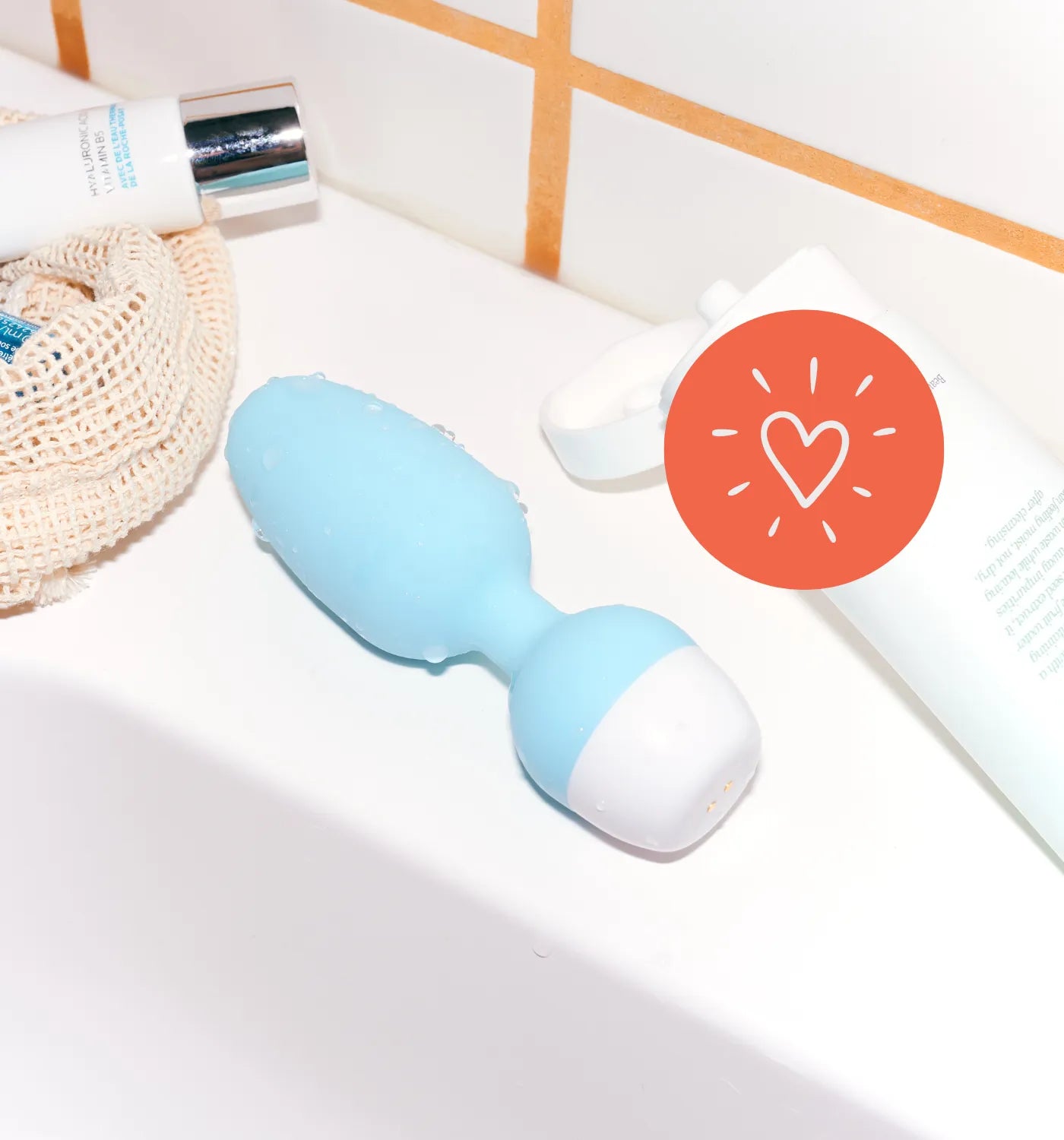
One of the most effective is the Emy Trainer medical device. It guides women through targeted exercises to effectively strengthen their pelvic floor at home using biofeedback technology.

Learn more about the Emy probe
In addition, by using this tool regularly, you will:
- strengthen your pelvic floor muscles;
- have better control of your bladder;
- prevent the appearance of problems linked to a weakened perineum;
- have better sensations during intercourse.
Therefore, the perineum is a central and essential set of muscles your body, don't neglect it!
As you will have understood, constipation and perineal health are closely linked. By taking care of your intestinal transit, you also protect your perineum !